By Eesha Kothini, @eeshakothinti | Sussex Hamilton High School, WI
In today's business environment, innovative marketing strategies are essential. Many companies are collaborating and cross-promoting to reach wider audiences. They are forming strategic partnerships with brands that align with their goals and resonate with the interests of their target audiences. This cross-collaboration benefits both brands, creating a win-win situation through shared marketing efforts.
Explore how some companies have turned this idea into significant successes for both their businesses and their audiences.
GoPro × Red Bull

Strategy: GoPro and Red Bull entered into a multi-year partnership to leverage Point of View content, creating an athletic event network that shows unique, adrenaline-fueled footage.
Both companies share a common goal focused on athletic performance, creating a genuine yet natural partnership.
They collaborated to develop an indirect advertising strategy by producing engaging content that reinforces each brand's products and values.
Uber × Spotify

Strategy: Uber partnered with Spotify, allowing passengers to take control of the playlist during their rides.
The partnership focused on improving personalization for each customer, creating a unique user experience. This partnership promoted a standard offering into an interactive and engaging ride.
By integrating both services, the brands boosted customer engagement while solidifying their reputations as innovative and customer-focused.
Barbie × Airbnb

Strategy: Barbie and Airbnb collaborated to create a real-life, bookable Barbie DreamHouse, promoting the Barbie movie.
The campaign transformed a film promotion into an immersive experience that encouraged social sharing.
By blending nostalgia, pop culture, and experiential marketing, both brands generated social buzz and reached audiences beyond traditional advertising channels.
Google × NASA
Strategy: Google collaborated with NASA to develop an interactive space exploration tool in Google Earth and Google Maps.
The collaboration merges technology with education, providing the public with accessible information related to space. This effort supports Google's mission to manage information while enhancing NASA's public engagement.
Doritos × Taco Bell
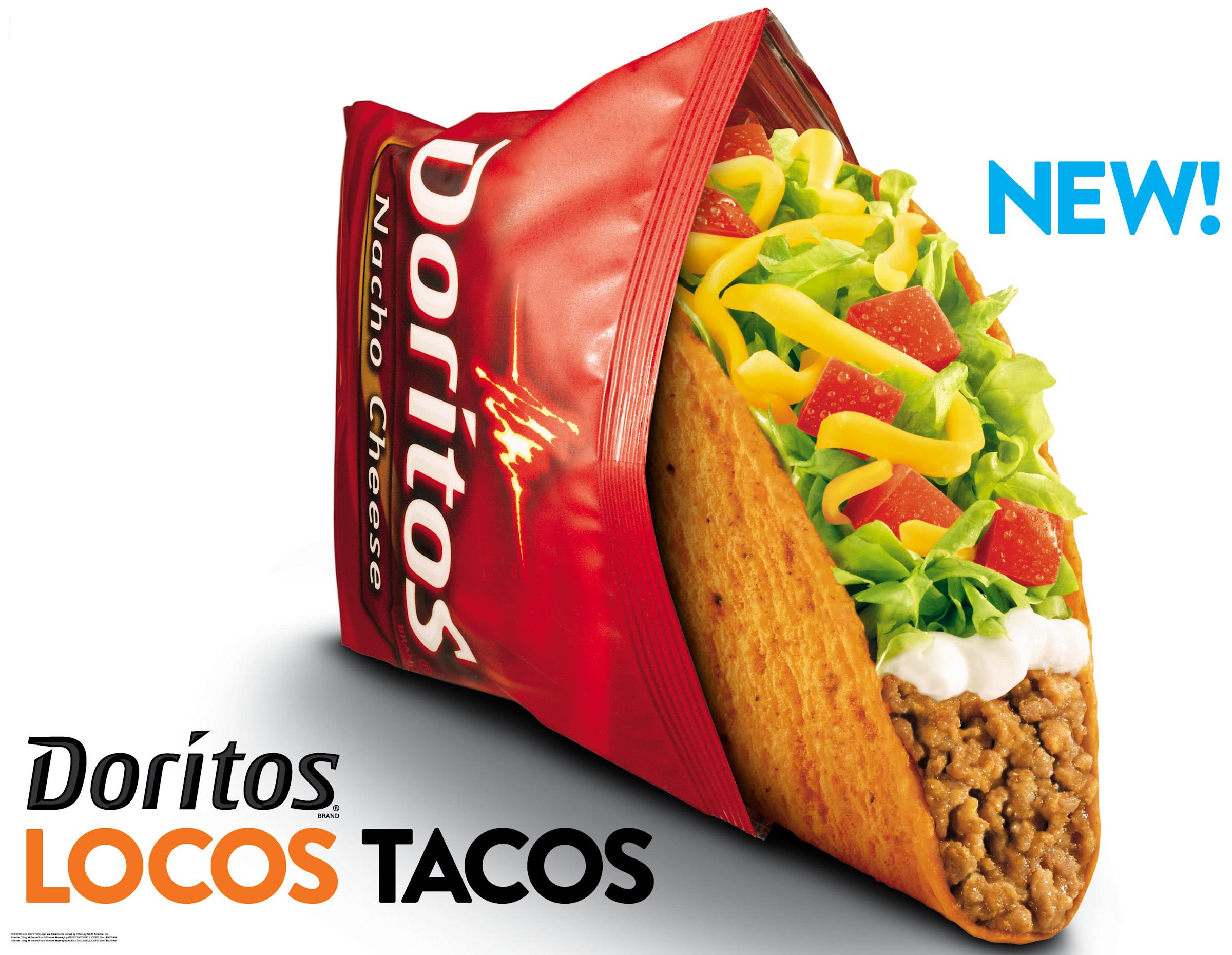
Strategy: Doritos partnered with Taco Bell to create the Doritos Locos Tacos featuring Doritos-flavored shells.
The collaboration brought together two well-known brands to develop a new product that was highly desirable. This sparked curiosity, encouraged repeat purchases, and led to significant sales growth, demonstrating that co-branded offerings can outperform standard menu items.