By Marco Castro, @marcoindeca | Southside High School, AR
If culture moves in cycles, then 2026 is pressing rewind. Across fashion, music and consumer behavior, a growing nostalgia for the mid-2010s is redefining how brands market, how artists resurface, and how Gen Z defines cultural identity. This cultural rewind didn’t begin in boardrooms or trend forecasts. It started online.
Where the Rewind Began
During the early 2020s, platforms like TikTok began surfacing memory-driven content from pre-pandemic daily life, such as old Instagram layouts, early YouTube clips and throwback playlists. Psychologically, nostalgia tends to resurface during periods of instability, leading to social algorithms to amplify an instinct of security and familiarity.
With the 2025 year ending, this trend became clear as Gen Z created an environment of optimism and revival with the quote, “2026 is the new 2016.” This trend took off on social media, leading to a collective rediscovery of a decade that felt both recent and safe.
An Artistic Revival
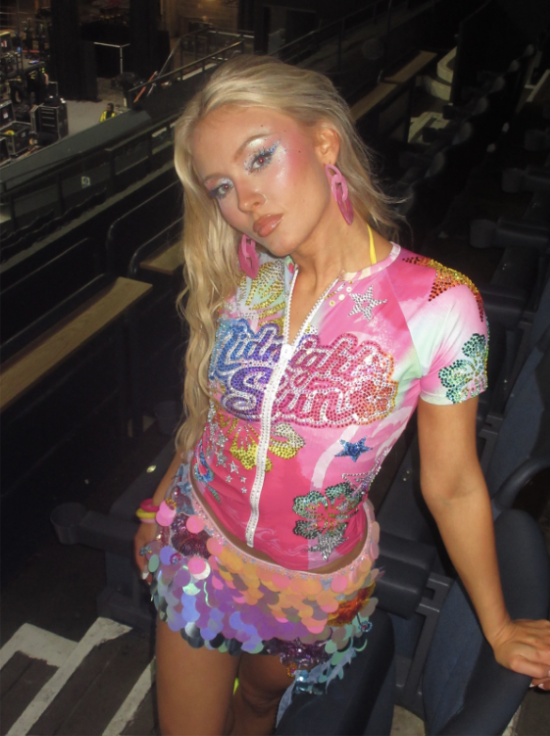
Going back in time, Zara Larsson, a Swedish singer-songwriter, released “Lush Life” in 2015. Although the song was released a year before 2016, it became associated with that year by dominating global charts with its carefree energy and memorable pop rhythms. Almost a decade later, the song was reborn, not through #throwbackthursdays but through a meme that later became a cultural phenomenon.
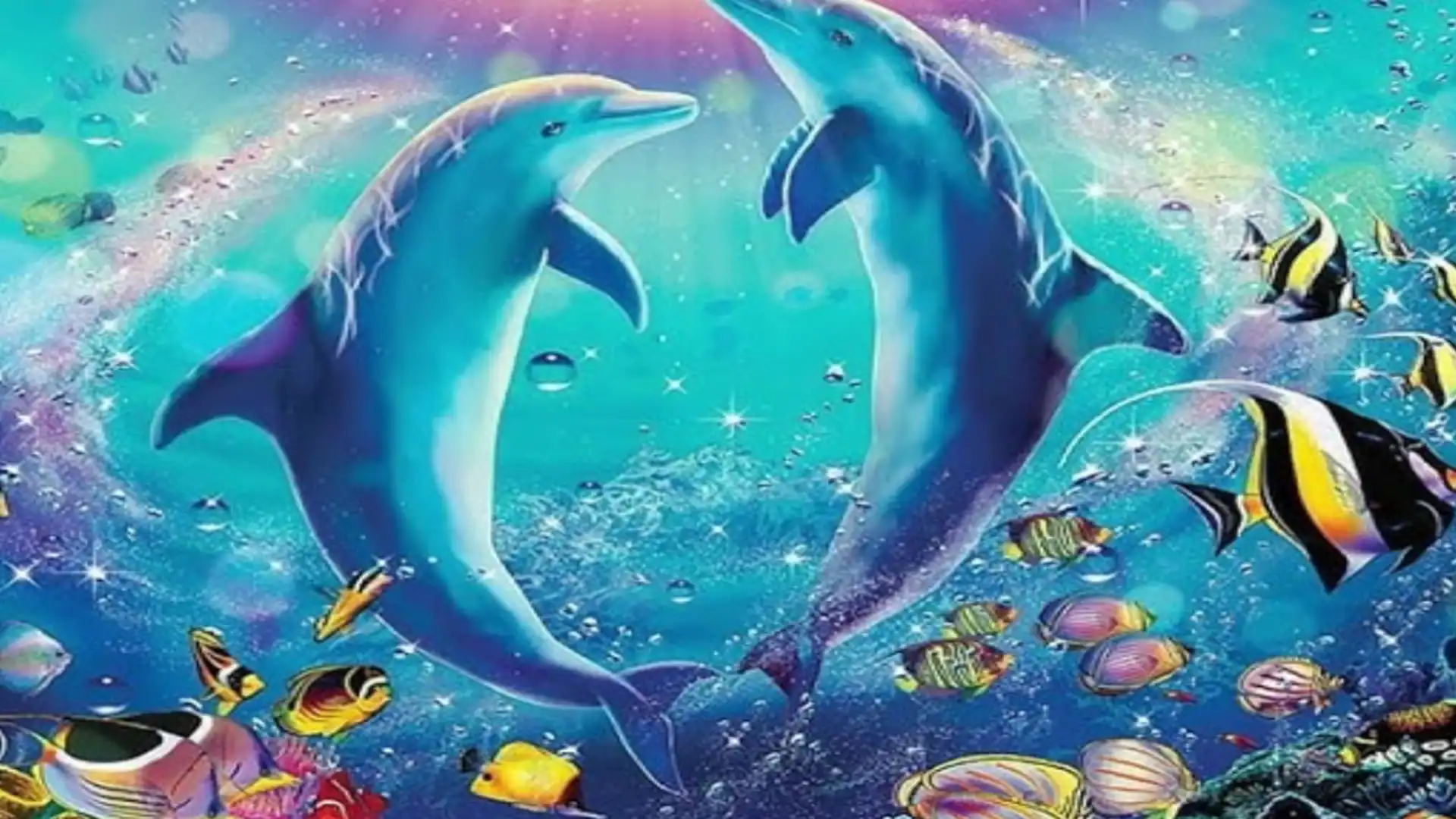
Users on Instagram and TikTok started sharing snippets of their lives, whether traumatic or exciting, using a happy dolphin surrounded by rainbows and clear waters. These memes were then paired with the song “Symphony,” one of Larsson’s highly rated singles from the mid-2010s, guiding Gen Z to begin the transition back to 2016. The meme became so popular that the song racked up over 2 billion total streams and even led her to gain the popularity to open for Canadian musician Tate McRae.
Although previously famous, Zara Larsson brought in a new audience of listeners who wanted to relive the nostalgia of the mid-2010s through a singular meme that would soon redefine her entire brand. She began leaning more into nostalgic pieces, such as spray-painted shirts, mini skirts, vibrant makeup, and statement jewelry, all key staples of the wardrobe for the tour she launched due to popular demand.
How is the Meme Impacting Society Now
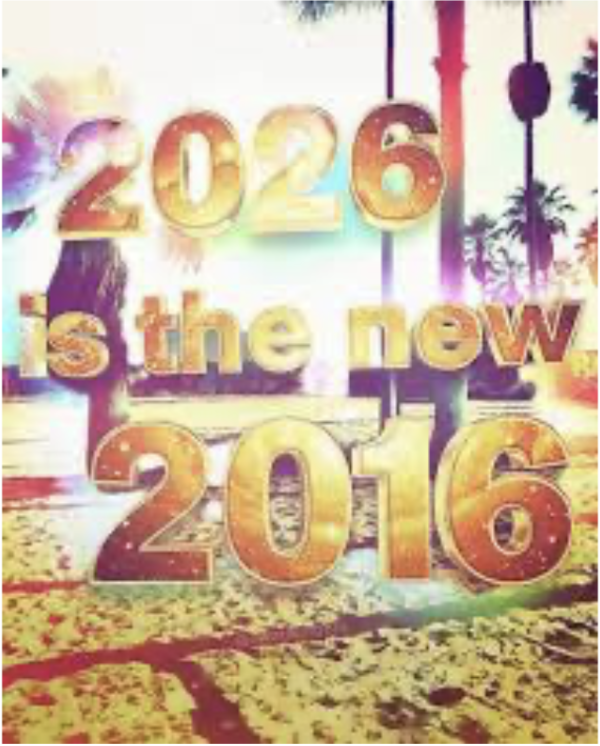
Today, the 2016 revival is influencing how people dress, consume media and define identity. Rather than constantly chasing what’s new, many young consumers are intentionally slowing down to revisit old styles, rewatch familiar content and prioritize experiences that feel authentic. The mid-2010s aesthetic represents self-expression before branding became overly strategic, similarly to Zara Larsson.
This resurgence reflects how Gen Z engages with culture emotionally, as songs like “Lush Life” or “Symphony” are no longer tied to a moment in time but rather repurposed as mood-setters for the “2026 is the new 2016” anthem. They are associating nostalgic influences with their everyday lives, such as listening to popular music from previous years, expressing themselves through fashion and, more importantly, a desire to reclaim individuality.
Socially, this rewind acts as a subtle form of resistance. Embracing older slang, reposting decade-old songs or wearing revived logo designs became a way to reject the demanding digital standards set by social media. Instead of chasing trends, young people are choosing to chase eras or periods of time that feel emotionally anchored and personally meaningful.
What This Means for the Future
For businesses and/or public figures, this moment signals a shift in marketing strategy. Cultural relevance is no longer built solely on innovation, but on emotional continuity. Brands that emphasize storytelling, heritage and memory are building stronger loyalty than those that rely on rapid trend adoption.
The resurgence of 2016 doesn’t suggest society is moving backwards; rather, it indicates a recalibration. In an increasingly fast, evolving world, consumers are seeking progress that feels familiar rather than foreign. In that sense, 2026 isn't trying to be 2016. It’s trying to recover what made it meaningful and redefine it for the next generation.