By Eesha Kothini, @eeshakothinti | Sussex Hamilton High School, WI
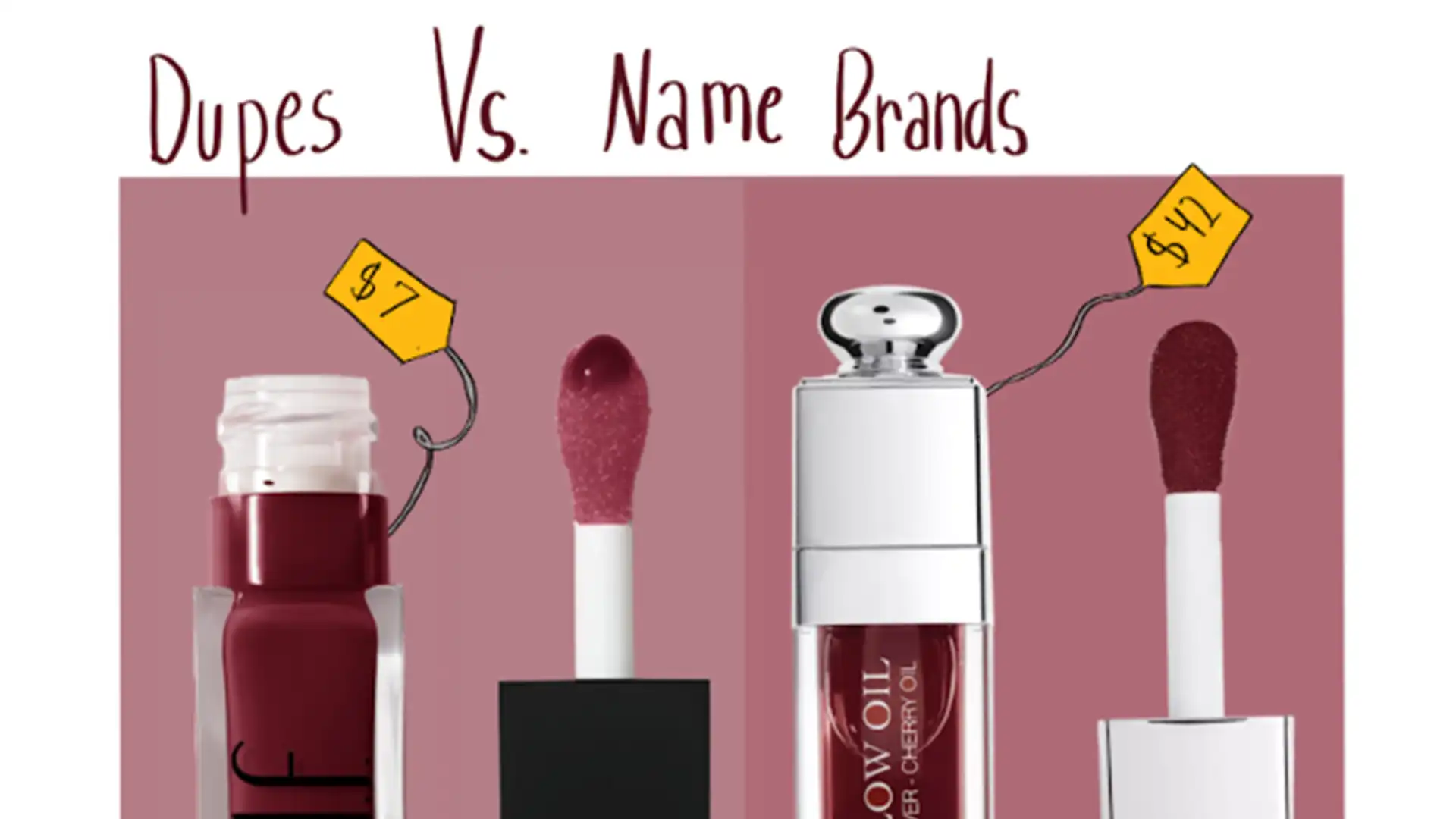
In an era of rapid consumerism, the term "dupe" has shifted from a simple meaning of "duplicate" to a significant concept in digital marketing. However, it’s important to look beyond the hashtags and consider: Is the rise of the dupe a clever marketing strategy or a harmful threat to brand equity?
Transforming Luxury: Making It Accessible for All
.webp)
For companies like Lululemon or Ugg, with cheaper alternatives on Amazon, making dupes is an impactful marketing strategy.
Demand Awareness: Having other brands showcase certain products as more affordable dupes is an effective way to generate interest in the original idea. Furthermore, this concept becomes recognized as trendsetting.
Stepping Stone: As consumers experiment with new products and services through dupes, the increase in purchasing power allows dupes to serve as gateways for marketing the original items. The dupe functions as a trial for the luxury experience.
Dupe Companies: For brands creating large mass-manufactured, cheaper products, they can attract a larger segment of the market that is priced out of luxury but desires the look.
The Sabotage: Why It Might Hurt Brands
.jpeg)
While dupes may be budget-friendly, they pose significant challenges for large brands. Here’s why some believe this trend is damaging the industry:
Losing the "Special" Factor: High-end brands rely on limited availability to retain their appeal. If a budget-friendly replica of a $200 designer product becomes widely adopted, the brand's unique appeal diminishes. When a product is too common, it stops being a mark of prestige.
The Innovation Tax: Creating a new fragrance or advanced athletic shoe takes years of effort and significant financial investment. Dupe brands avoid this hard work and merely copy the final product. This means original creators rarely get recognition for their innovation.
The Problem with Disposable Shopping: A lot of dupes are produced in the fast-fashion industry. Due to their low prices, consumers tend to purchase multiple pieces, wear them briefly, and then discard them. This results in substantial waste compared to investing in a single durable, high-quality item that can endure over time.
The "dupe" economy is a tricky two-sided idea. While it makes trends accessible to everyone, it also challenges the brands that invest time and money in innovation. To stay ahead, companies must offer real quality and unique experiences that a cheaper version just can’t touch.