By Carson Alexander, @deca.carson | Memphis University School, TN
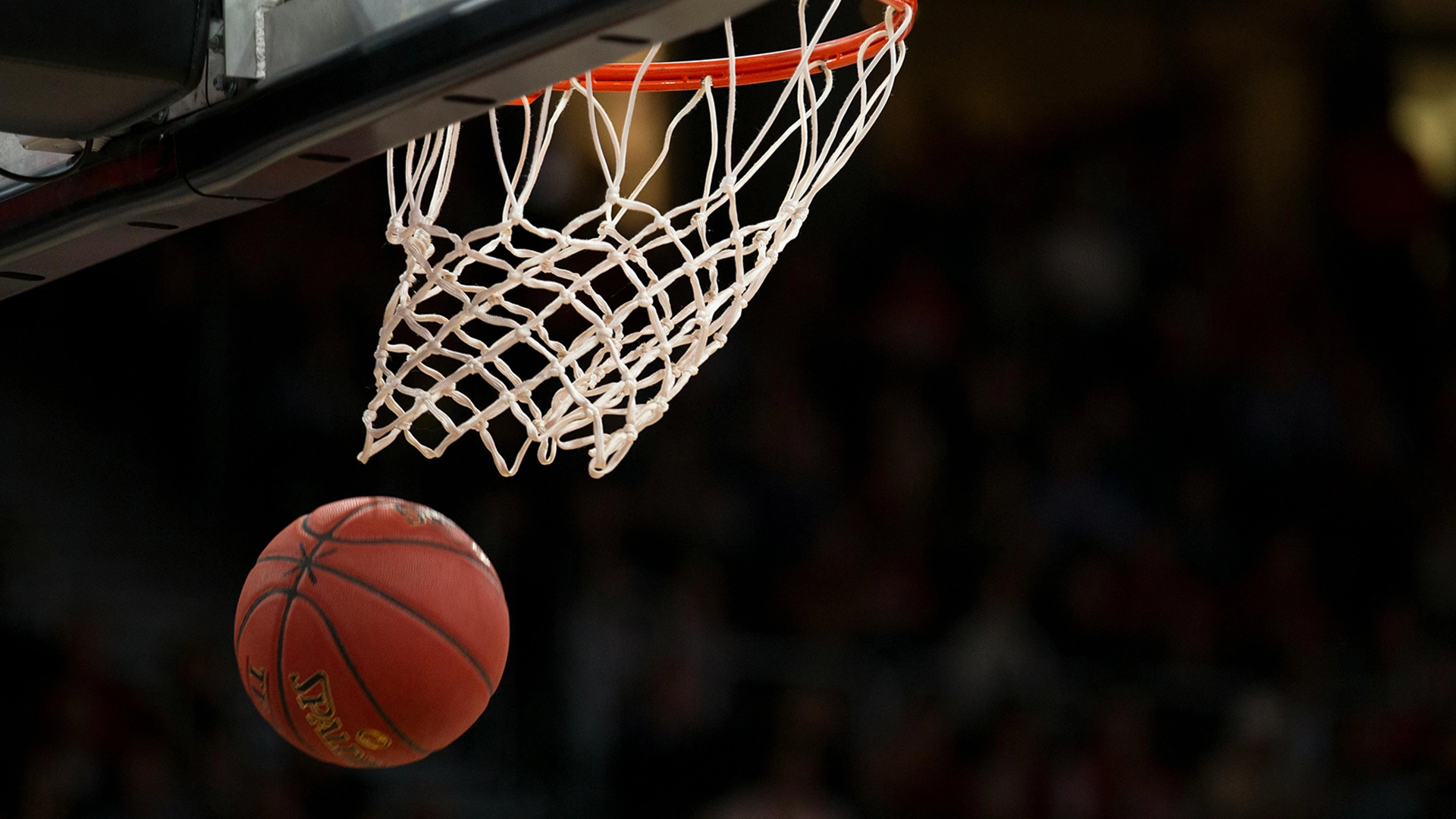
Every year, 68 of the best collegiate basketball teams compete for a national championship, with millions of fans filling out brackets in hopes of predicting the unpredictable. On the surface, this sporting event may seem uncomplicated, but it is truly one of the most sophisticated marketing operations in professional sports.
From viral social media moments to billion-dollar sponsorship deals, the tournament offers DECA students a masterclass in real-time marketing, emotional storytelling and capitalizing on cultural moments. Here’s what you need to know.
First, the power of “Bracket Culture.”
One of the most powerful marketing tools associated with the tournament is the bracket challenge, hosted on platforms like ESPN, Yahoo and CBS Sports, engaging millions of participants each year.
From a marketing perspective, the bracket turns passive viewers into active participants, emotionally and intellectually investing them in every matchup because their predictions, and sometimes their reputation among friends, are on the line.
Brands leverage this participation by sponsoring bracket contests, offering prizes and integrating their messaging into the fan experience. The result is a campaign that encourages repeated engagement over multiple weeks rather than a single moment of attention.
For marketers, the lesson is clear: when audiences participate in the experience, engagement multiplies.
Next, the impact of emotional storytelling and the “underdog effect”.
March Madness is famous for its Cinderella stories-lower-seeded teams defeating national powerhouses in dramatic upsets. These moments become instant cultural narratives that spread rapidly across social media.
For brands, these stories offer an opportunity to tap into powerful emotions like surprise, inspiration and loyalty. Companies frequently create real-time social media posts reacting to these moments, often gaining massive traction because they align with what audiences are feeling.
The marketing takeaway is that emotion drives engagement. The most successful campaigns during the competition connect with the excitement and drama that fans are experiencing in the moment.
Finally, sponsorships and strategic partnerships.
The tournament is also a massive commercial operation, with companies paying significant sums to associate their brands with the event. Major partners such as AT&T, Capital One and Coca-Cola sponsor everything from halftime segments to fan experiences.
These sponsorships work because they integrate brands into the viewing experience rather than interrupt it. Fans may interact with a sponsored bracket challenge, watch a branded highlight segment, or participate in promotional giveaways.
For marketers, this demonstrates the importance of brand integration instead of interruption. When marketing becomes part of the experience rather than a distraction from it, audiences are far more receptive.
Events like the NCAA Division I Men's Basketball Tournament highlight how marketing extends far beyond traditional advertising. Instead, it's about creating experiences, building emotional connections and engaging audiences across multiple platforms.
For me, one of the most exciting aspects of March Madness marketing is the speed at which brands react to moments during games. A buzzer-beater, a dramatic upset or even a humorous broadcast moment can quickly become trending content.
For DECA students studying marketing, this is another powerful reminder that timing matters. The ability to respond quickly and creatively to cultural moments can dramatically increase a brand’s visibility.
As fans watch the drama unfold on the court, step into the shoes of marketers studying something equally fascinating: a real-world example of how brands can capture attention, spark conversation and build lasting connections with audiences.