By Emma Henselin | University of Wisconsin - Madison, WI
As more organizations, campuses and student leaders look for ways to support college success, workshops have become an essential tool for building skills, confidence and community. But a great workshop doesn’t happen by accident. It’s the result of thoughtful planning, intentional design and a clear understanding of what students actually need.
Here are a few things to keep in mind to ensure your workshop is impactful, engaging and memorable.
Pre-workshop
First, begin engaging potential attendees as early as possible. Social media, email newsletters and classroom announcements are efficient and effective ways to inform students about the workshop and build excitement. Early promotion also makes it easier for students to share the event with friends or classmates who may also benefit from it.
Additionally, think intentionally about the purpose of your workshop. Clarifying the core learning objective early on will guide your content, activities and materials. Focus on choosing a topic that teaches students a new skill, mindset or idea that can benefit their academic, professional or personal growth.
Designing Your Workshop
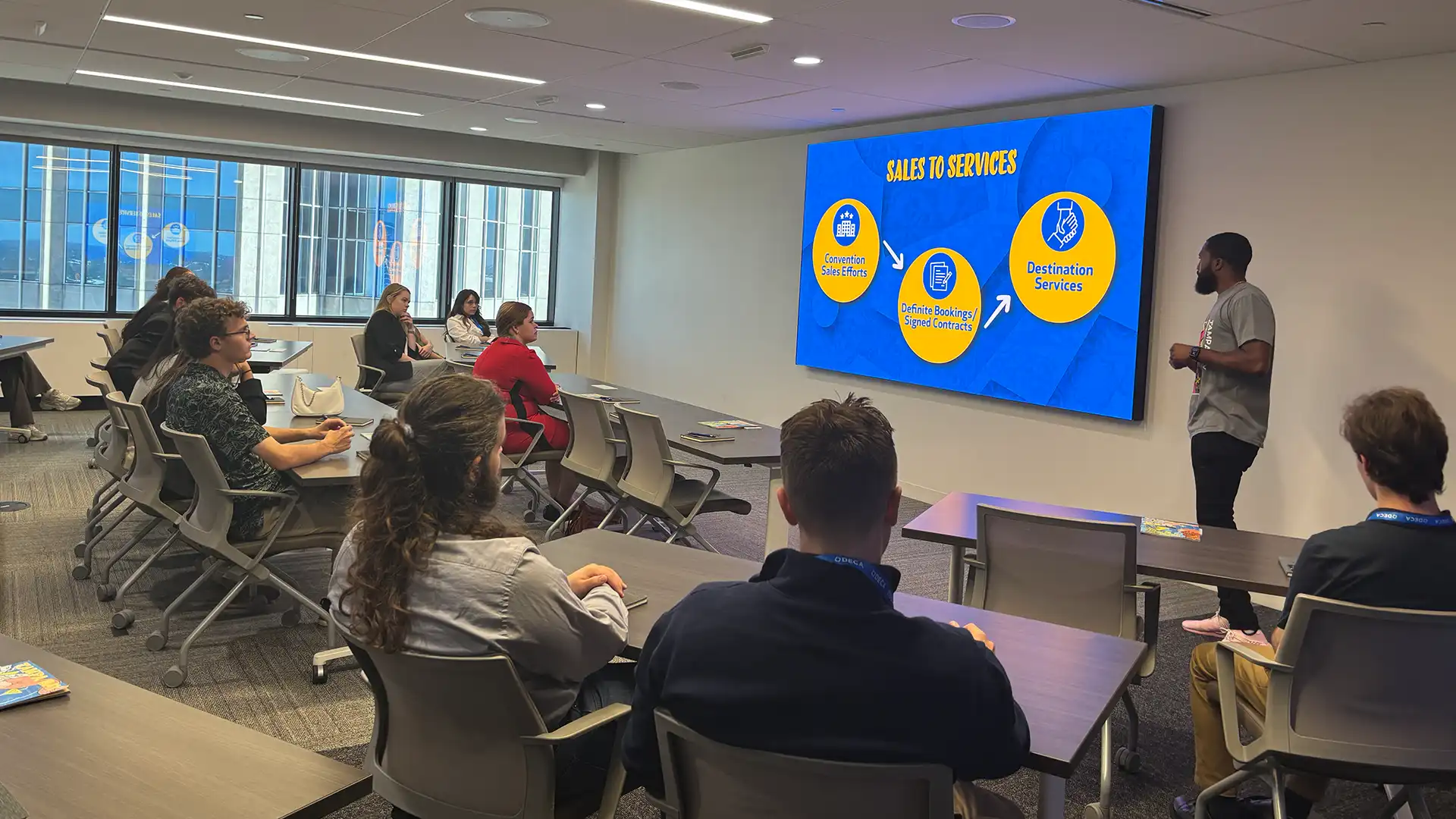
Designing an engaging workshop starts with visuals that actually support learning. Use clean slides, simple infographics, real-world examples and concise demonstrations to maintain close attention. Your slides should guide the experience, rather than serving as a script.
From there, build in hands-on activities that help students apply what they’re learning. Small‑group discussions, case studies and peer feedback moments all deepen understanding and build confidence.
When it’s time to facilitate, bring energy and authenticity. Be sure to speak with enthusiasm, ask open‑ended questions, encourage participation and validate student contributions. Students connect most with presenters who feel real and relatable.
Post Workshop Follow-up
One of the most important steps in hosting a workshop is what happens afterward. It is essential to gather feedback from attendees. Always include a quick survey to collect insights about what worked and what could be improved. This information is invaluable for future planning and helps ensure that your workshops continue to evolve in response to student needs.
A successful workshop isn’t just a presentation—it’s an experience. When you combine clear goals, thoughtful design and student‑centered engagement, you create a space where college students feel empowered, supported and ready to grow. Whether you're leading a DECA training, a career development session or a leadership seminar, these ideas will not only support student success but leave a lasting impression.