Creating meaningful change in a school community often begins with a passionate educator and students willing to lead. DECA advisor Bouchra Elgaou has helped transform sustainability from an idea into a hands-on learning experience at Wakefield High School in North Carolina. Their school-wide composting initiative empowers students, strengthens community partnerships and reduces waste.

The composting program began after Bouchra Elgaou learned about a grant opportunity through the Wake County Solid Waste Management Division, which regularly supports schools focused on waste reduction and environmental responsibility.
The grant application process required applicants to outline their vision, describe student involvement, explain the expected impact and detail the intended use of funds. Working alongside co-advisor Ms. Kelly Hallow, Elgaou collaborated closely with DECA members to shape the proposal, ensuring that the initiative would be student-led from the outset.
Once the grant was awarded, the focus shifted to planning logistics, training students and coordinating closely with cafeteria staff to ensure the program could operate smoothly within the school’s daily routines. One of the initial challenges was building consistency and reducing contamination in compost bins. However, as students became more involved and began educating their peers, these challenges became easier to manage.
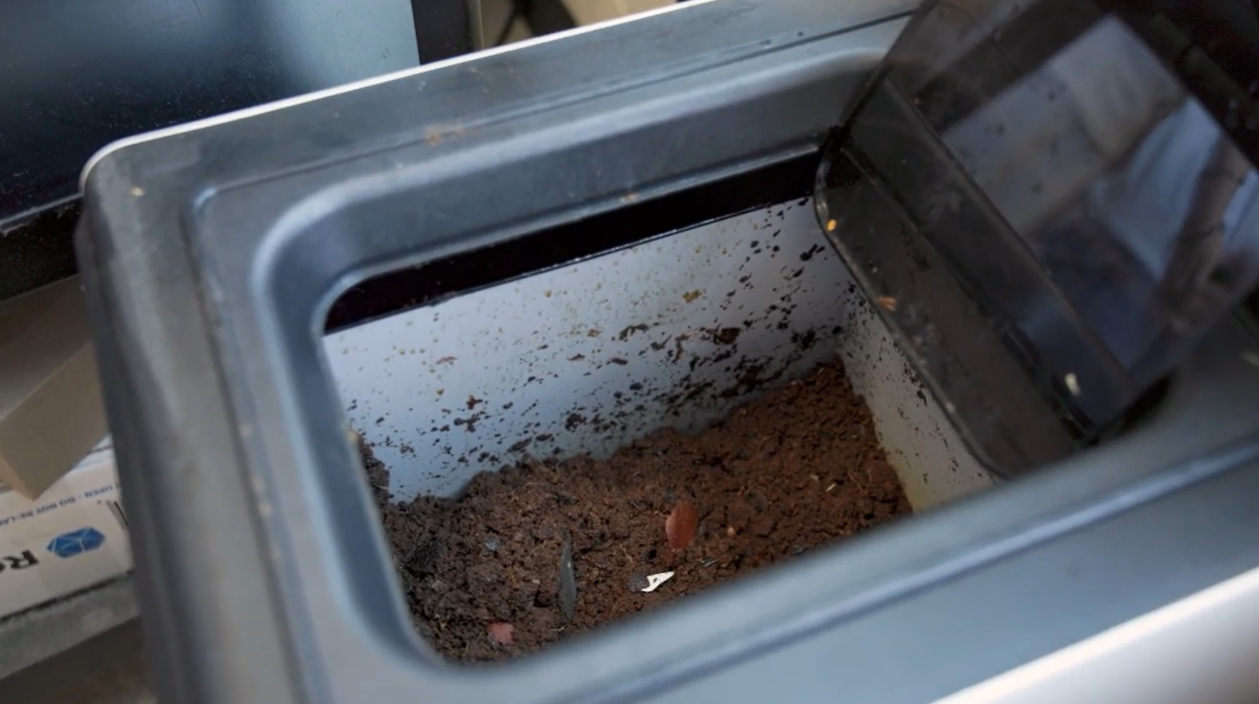
Students play an active role in the day-to-day management of the composting program. Their responsibilities include monitoring bins, assisting with collection, checking for contamination and tracking basic data related to waste diversion.
DECA members also help communicate the program's purpose, explaining how composting benefits both the environment and the school. By placing students at the center of the initiative, the program serves as a real-world leadership lab.
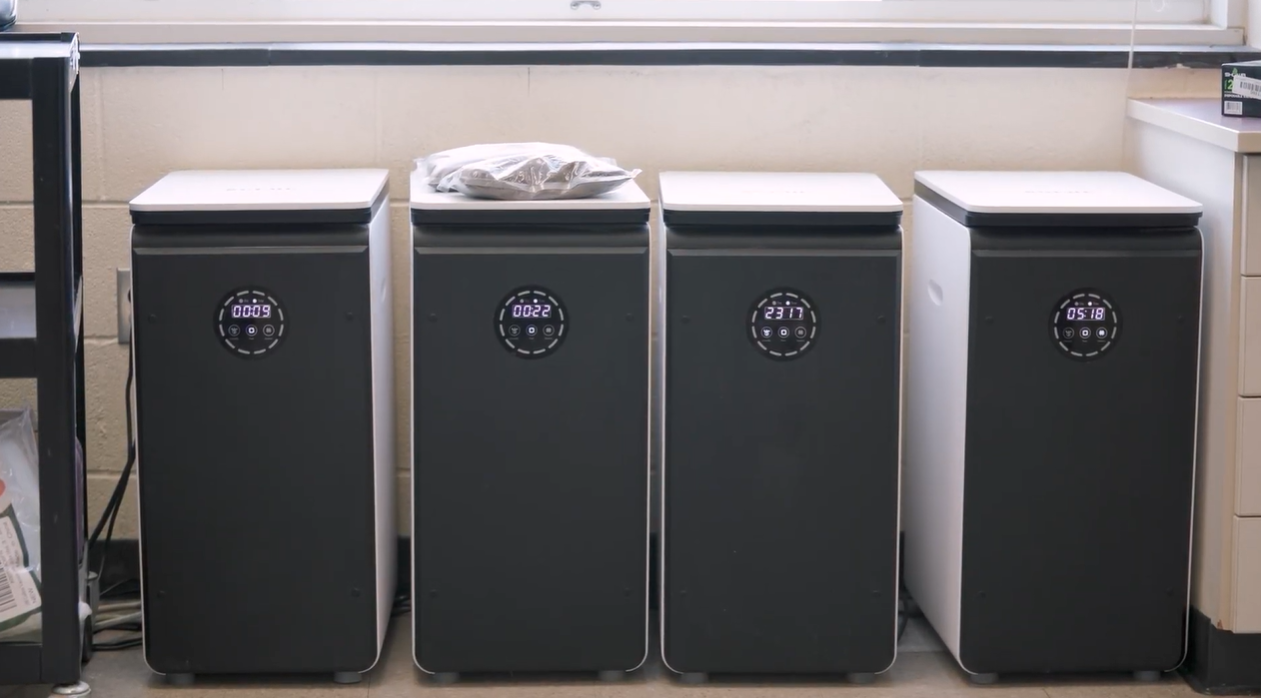
Community partnerships have also played a crucial role in the program’s success. Local businesses were engaged by highlighting the environmental and educational benefits of the composting initiative. Students helped lead these conversations, gaining experience in professional communication while building meaningful relationships within the community.
These partnerships not only support the program’s growth but also show students the power of collaboration and civic engagement.
“Through managing this program, students gain sustainability knowledge as well as valuable skills such as teamwork, communication, organization, problem-solving, and leadership. From an entrepreneurship perspective, they also learn how to manage a system and work with partners” -Elgaou noted.
To date, program results indicate a decrease in cafeteria waste and an increase in student awareness of sustainability. As the school continues to implement the program, it hopes to expand compost collection, increase student leadership opportunities, strengthen community partnerships, and explore additional student-led sustainability initiatives, such as school gardens.
This composting initiative stands as a powerful example of how dedicated advisors can empower students to create lasting impact. By blending sustainability, leadership, and real-world experience, the program not only reduces waste but also cultivates informed, confident students ready to lead in their schools and communities.
Learn more about Wakefield DECA's composting initiative in this video:
Do you know an advisor with an innovative best practice? We want to hear about it! Nominate him or her today to be featured in our next Best Practice Spotlight of the Week.