For students thinking about their next steps, whether that involves college, technical training or entering the workforce, the Air Force offers a structured environment where you can build expertise, earn industry-recognized credentials and gain practical experience across a wide range of fields. With more than 200 career specialties, the Air Force functions as a large organization where technical ability, teamwork and leadership are developed through real, hands-on work.
A Broad Portfolio of Career Fields
The Air Force operates in areas that extend far beyond aviation. Students with strong interests in STEM, communication, healthcare, logistics or management will find career tracks that align with those strengths:
- Technology & Cybersecurity: Roles in network operations, cyber defense, programming support and intelligence analysis provide exposure to modern systems and problem-solving environments.
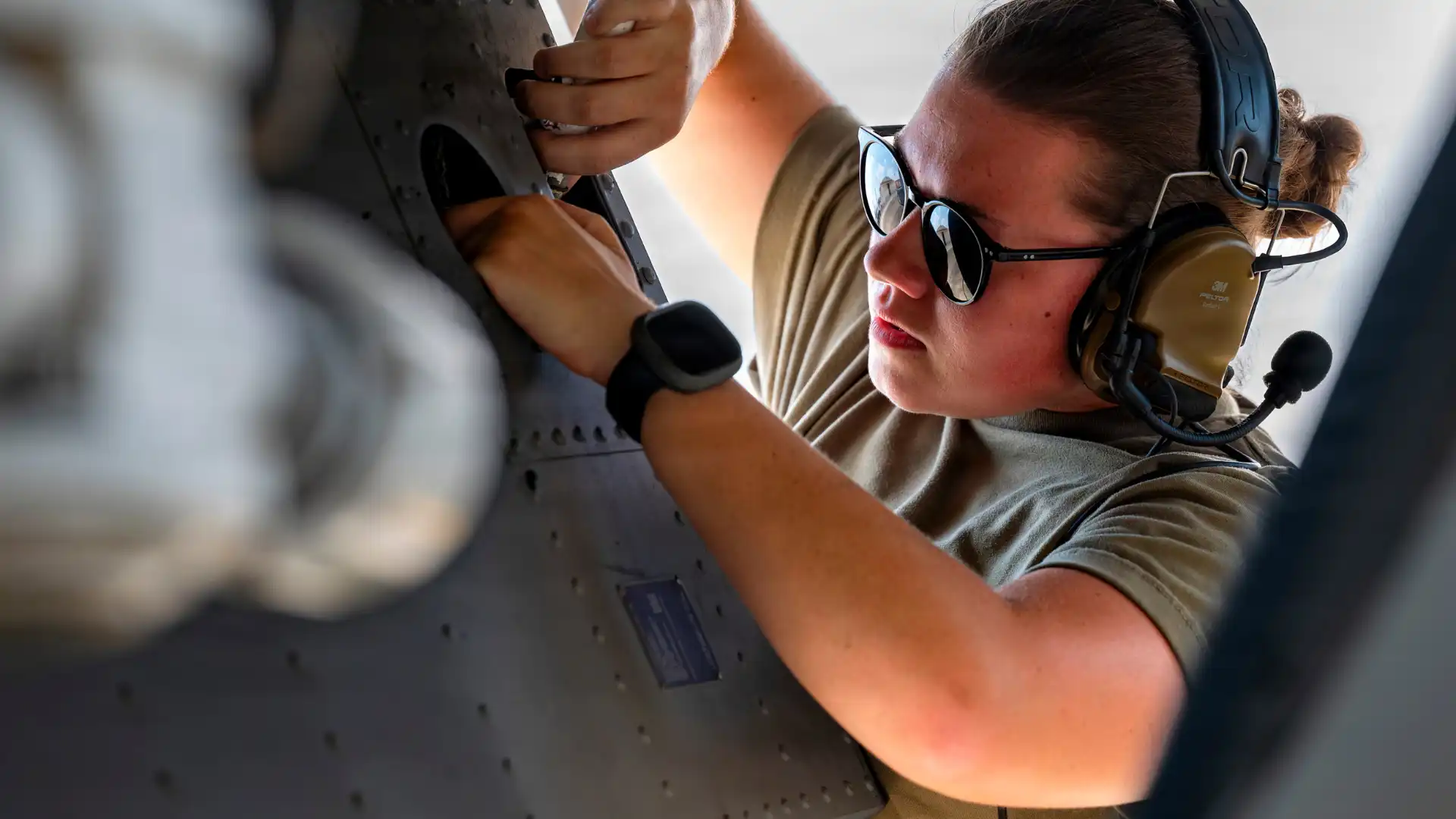
- Engineering & Technical Operations: Positions in aerospace maintenance, civil engineering, space systems and aircraft technology offer opportunities to work directly with complex equipment and large-scale projects.
- Healthcare & Science: Medical technicians, laboratory specialists and mental health support roles gain practical patient-care and clinical experience that translates well into civilian healthcare careers.
- Business, Logistics & Management: Careers in finance, contracting, supply chain and personnel management focus on operational planning, organization, and strategic decision-making.
- Communications & Creative Fields: Public affairs, photography, broadcast operations and graphic design roles support communication and storytelling at a professional level.
Students can enter a field that reflects their current interests or explore new areas as they discover what they enjoy and where they excel.
Professional Advancement and Skill Development
A core advantage of the Air Force is its emphasis on continuous professional growth. Each career field has clear advancement criteria, defined training sequences and opportunities to take on increasing levels of responsibility. This structure helps Airmen progress at a predictable pace and understand what is required to advance.
Leadership development is an integral part of daily work. Supervising teams, coordinating missions, managing resources and communicating effectively are skills Airmen build early and refine throughout their careers. These competencies remain valuable regardless of whether someone chooses to stay in the service or pursue civilian opportunities later on.
Retraining programs also allow individuals to shift into new specialties as their interests evolve or as they gain clarity about their long-term goals.
Education and Industry Credentials
Education is a major component of Air Force career development. Airmen can earn accredited college credit through technical training and the Community College of the Air Force (CCAF), pursue degrees with tuition assistance and access professional certifications through programs such as AF COOL. These credentials are recognized outside the military and support long-term career mobility.
Airmen also accumulate meaningful experience—managing projects, using advanced equipment, solving technical problems or supporting medical and logistical operations. This practical background often gives them a competitive edge when entering civilian industries or applying to academic programs later.
A Pathway That Supports Growth
The Air Force offers a clear, supportive environment for students who want to gain experience, expand their skills and work in fields that require precision, accountability and collaboration. It is one option among many, and it appeals to students who value structure, hands-on learning and opportunities to grow within a large, mission-driven organization.
For those exploring their future career possibilities, the Air Force provides a pathway where technical skill, leadership and education come together to form a strong foundation for whatever comes next