For many DECA chapters, raising funds can be one of the biggest challenges of the year. At Farmingdale High School in New York, DECA advisors Jaclyn Tannazzo and Alexis Zaino, and their members discovered that the key to sustainable fundraising was already within their community - through a strong partnership with their local Chamber of Commerce.
By empowering members to lead outreach and offering local businesses meaningful visibility, the chapter built a sponsorship program that has generated nearly $15,000 in support over four years.
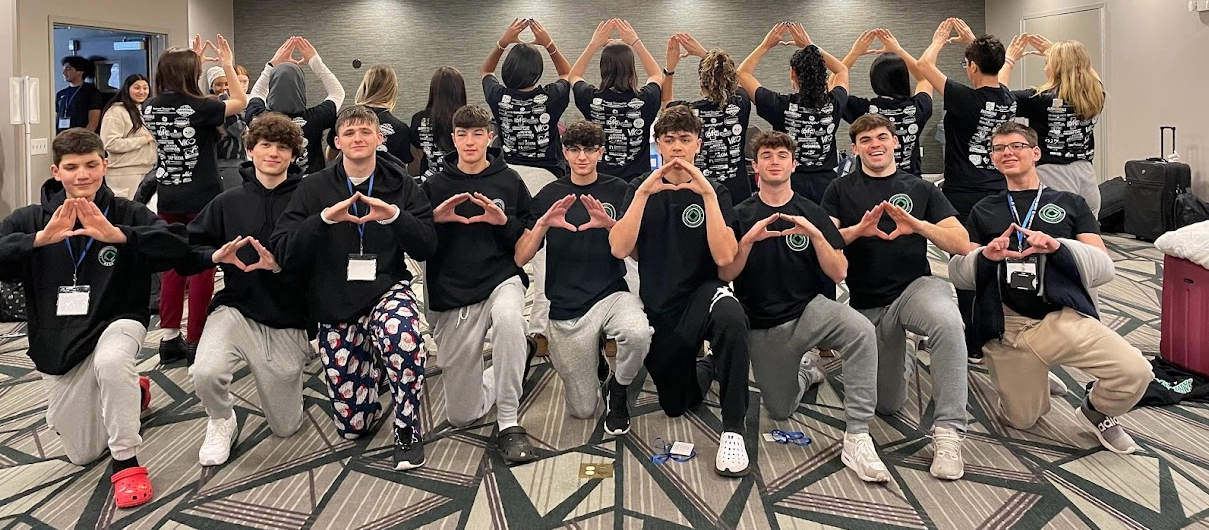
The initial idea for this program was inspired by the model many events and races use, selling sponsorships to local businesses and in return, giving those businesses visibility on the event t-shirt. Farmingdale DECA members felt that this model could work for their chapter too, and got to work putting together their vision for this new program.
The foundation of the sponsorship program is that businesses provide funds to the chapter to help members attend their association’s Career Development Conference, and in return, the business gets its logo placed on the chapter’s t-shirt. These t-shirts are worn by all members throughout the year, not just at school, but also at community service events, leadership events, and competitions, greatly increasing the visibility of these businesses around the area.
Farmingdale DECA had already established a strong relationship with its local Chamber of Commerce, with many chamber members having already served as guest speakers, mentors, and even advisors for curriculum development. Farmingdale DECA members thought the Chamber would be a great place to launch this new sponsorship program, and were able to share their prospecting email with the Chamber’s member database.
When students shared their goals and explained how attending DECA conferences would strengthen their leadership and career skills, business owners were eager to help. These conversations helped build trust and create meaningful connections between students and the local business community.
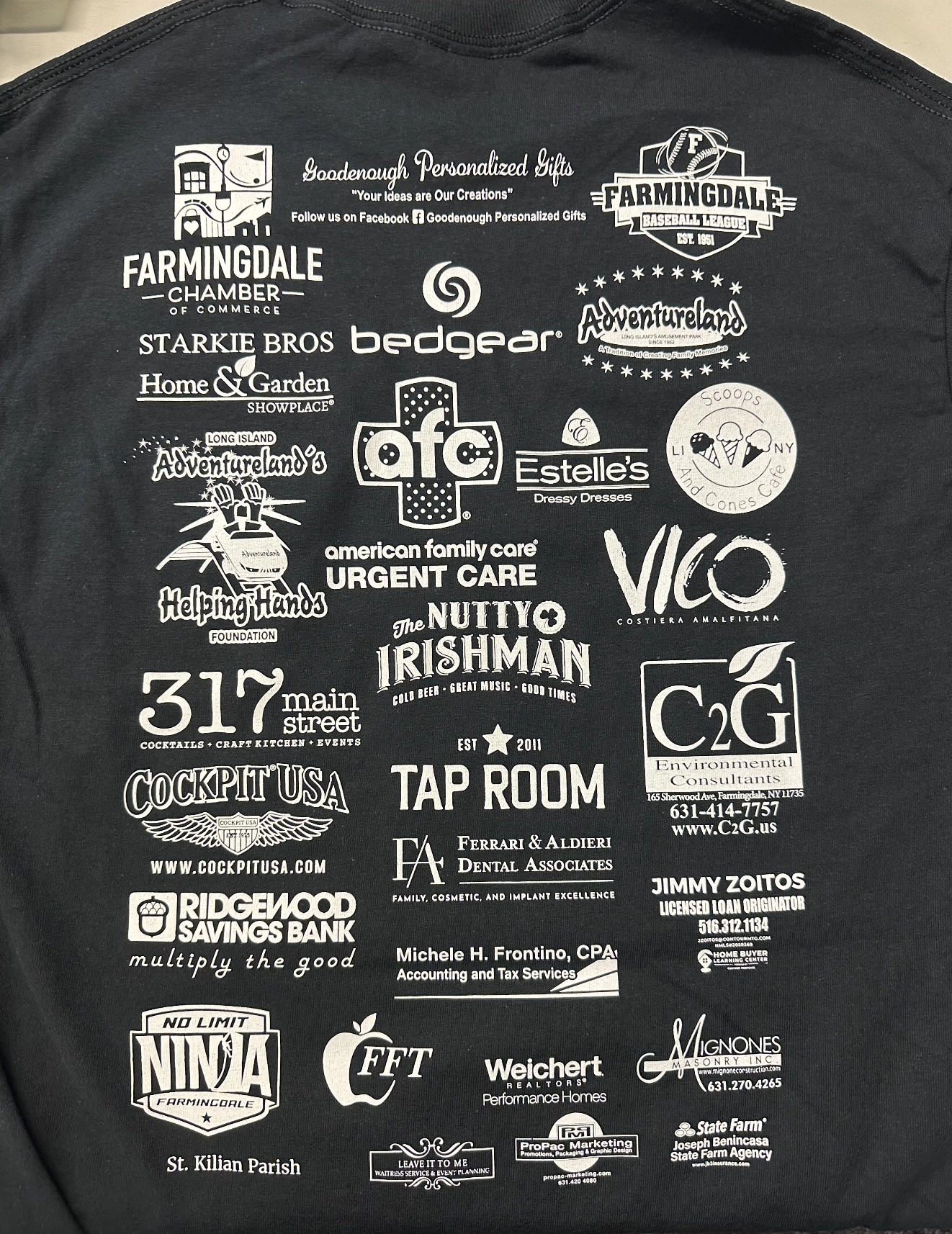
The response from businesses was stronger than expected. Many sponsors expressed enthusiasm for supporting student leadership development and even encouraged the chapter to request larger contributions. Based on that feedback, the chapter expanded the program by introducing tiered sponsorship levels, allowing businesses to choose the level of support that worked best for them.
Over the past four school years, the Farmingdale High School DECA chapter’s sponsorship initiative has generated $14,725 in support, significantly helping students attend both their association’s Career Conference and DECA’s International Career Development Conference. Just as important as the funds raised are the relationships formed. Many of these local businesses continue to support the chapter in additional ways, from judging events to offering mentorship opportunities.
Beyond the financial success, this experience provides Farmingdale DECA members with valuable real-world learning opportunities. Members gain hands-on experience in professional communication, networking with business leaders, writing persuasive messages and representing their organization in a professional setting
“Through this process, students build confidence and develop a deeper understanding of how community partnerships support business initiatives and community organizations,” Ms. Tannazzo explained.
Ms. Tannazzo and Ms. Zaino’s advice for other advisors interested in this fundraising approach is to start with relationships. Begin by connecting with your local Chamber of Commerce or strengthening an existing partnership.
“Chambers are often enthusiastic about supporting student leadership organizations, especially when they see students taking initiative,” Ms. Zaino shared.
Encouraging students to lead the outreach and communication is also key. When students share their goals directly with business leaders, it creates a stronger connection and helps businesses see the real impact of their support.
Most importantly, treat these partnerships as long-term relationships. Maintaining connections beyond a single fundraiser can lead to mentorship opportunities, internships, guest speakers and ongoing community support.
By combining student leadership with strong community partnerships, Ms. Tannazzo’s chapter has created a fundraising model that not only supports the chapter but also prepares members with valuable real-world business skills.
Interested in implementing a similar fundraising model in your chapter? You can view the letter that Farmingdale DECA uses for its outreach to local businesses here, or use this template to create your own.
Do you know an advisor with an innovative best practice? We want to hear about it! Nominate him or her today to be featured in our next Best Practice Spotlight of the Week.